Professional Computer Recycling Houston Services for Laptops
How Electronics Recycling Can Assist Companies Go Green: Eco-friendly Initiatives for Enterprises
Electronics recycling offers a crucial chance for companies aiming to improve their environmental responsibility programs. By managing e-waste effectively, organizations can decrease their environmental footprint and recover precious resources. Furthermore, adopting these practices can improve brand reputation among environmentally aware customers. Nevertheless, many businesses may miss the complexities involved in implementing a effective recycling plan. Understanding these subtleties is essential for steering the course toward greener operations and achieving long-term advantages.
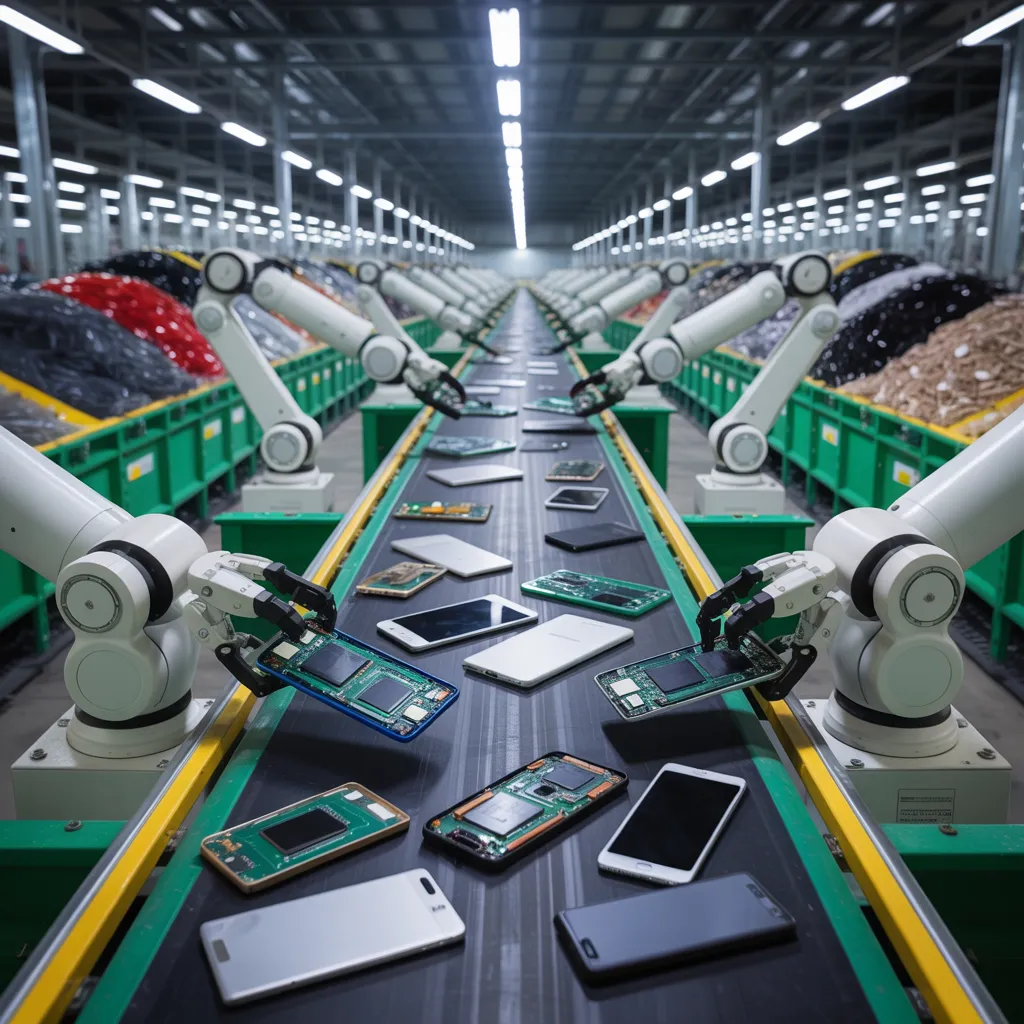
The Significance of Electronic Device Recycling for Companies
Although many businesses may dismiss the importance of electronics recycling, it functions as an integral role in promoting sustainability and reducing environmental impact. As technological improvements speed up, companies routinely replace their electronic devices, resulting in a growing volume of e-waste. Proper recycling guarantees that valuable materials are reclaimed, limiting the demand for new resource extraction and preserving energy.
Moreover, taking part in electronics recycling can enhance a company's image. Consumers more and more favor businesses dedicated to sustainable practices, and showing responsibility in managing e-waste can attract environmentally conscious customers. Compliance with regulations regarding electronic waste also protects businesses from potential legal liabilities and fines.
Additionally, waste reduction can produce cost savings. By carefully handling aged electronics, companies can lower waste disposal fees and obtain financial value from recyclable materials. Overall, implementing electronics recycling is not simply an responsible choice; it is a prudent business decision that corresponds with modern sustainability goals.
How Electronics Reprocessing Decreases Environmental Impact
Electronics recycling serves a essential role in reducing environmental consequences by conserving natural resources and limiting e-waste pollution. By extracting important materials, this practice supports the advocacy of circular economy guidelines. As organizations participate in responsible recycling, they contribute to a more green future.
Conserving Natural Resources
Recycling e-waste greatly aids the preservation of natural resources by reclaiming valuable elements. Many electronic devices contain valuable metals such as gold, silver, and palladium, which are extractable and reusable. This process reduces the necessity of mining, a resource-heavy operation that depletes ecosystems and uses significant energy. Moreover, recycling assists in recovering rare earth elements that are necessary in manufacturing new technologies. By diverting electronic waste from landfills, businesses also reduce the environmental impact of resource extraction but also promote a circular economy. This sustainable habit allows companies to reduce their carbon footprint, lower production costs, and champion environmental stewardship, ultimately fostering a healthier planet for future generations. Through responsible recycling, businesses can pioneer conserving essential natural resources.
Lowering E-Waste Waste
A noteworthy fraction of global waste involves electronic devices, leading to rising environmental pollution. When e-waste is discarded improperly, it emits hazardous materials such as heavy metals and toxins that pollute soil and water. By recycling electronics, these risks are mitigated as harmful components are dealt with in a safe and responsible manner. Through repurposing materials like metals, plastics, and glass, recycling diminishes the demand for new resource extraction, further cutting down on environmental harm. Additionally, recycling programs support the responsible disposal of outdated devices, helping businesses comply with environmental regulations. Companies that participate in electronics recycling reduce their carbon footprint and foster a healthier environment. Such a proactive strategy shows corporate responsibility as it effectively tackles the urgent issue of e-waste pollution.
Supporting Circular Economy Techniques
Implementing efficient e-waste recycling programs plays an essential role in promoting circular economy practices. By recycling electronic waste, companies can significantly reduce the need for virgin resources, thereby conserving environmental assets and minimizing ecological harm. This practice resource promotes the repurposing of valuable components, prolonging the lifecycle of products and reducing the amount of electronic waste sent to landfills. Additionally, by adopting circular economy principles, organizations can improve their corporate image and comply with market demand for eco-friendly operations. Emphasizing ethical waste management also encourages advancement in manufacturing development, inspiring producers to develop products that are more conducive to disassembly and recycling. Ultimately, integrating electronics recycling into corporate practices leads to a more sustainable future, advantaging both the environment and the economy.
Key Advantages of Electronics Recycling for Enterprises
Electronics reprocessing offers significant advantages for businesses, primarily through reduced expenses and environmental impact reduction. By properly recycling outdated equipment, companies can reduce disposal costs and recover valuable materials. Additionally, adopting sustainable disposal methods enhances corporate responsibility and promotes eco-friendly initiatives.
Expense Reduction Opportunities
Many organizations are identifying significant cost savings through effective e-waste recycling practices. By implementing these efforts, companies can cut disposal fees associated with e-waste, as recycling often costs less than landfill disposal. Beyond that, valuable materials recovered from old electronics can be marketed, yielding revenue and compensating for replacement costs. Optimized recycling processes also lower storage costs for aged equipment, freeing up valuable office space. Moreover, many organizations benefit from tax incentives related to sustainable practices, adding another layer of financial advantage. Overall, adopting electronics recycling not only advances corporate responsibility but also encourages economic efficiency, enabling businesses to distribute resources more wisely and improve their bottom line.
Environmental Impact Decrease
A considerable decrease in environmental effects is one of the key strengths companies benefit from when they establish systematic device recycling programs. By recovering useful equipment, businesses can curb hazardous materials, such as noxious compounds and poisonous matter, that can seep into soil and water bodies. This not only plays a role in protecting environmental resources but also reduces the emissions footprint resulting from constructing new devices. Additionally, supervising decreases energy demands, as it often requires lower power consumption to refine recovered substances than to obtain and refine primary resource stocks. As organizations roll out such methods, they build circular production models, promoting ecological conservation and responsibility. Ultimately, accountable material recycling enables businesses to bolster green reputation while helping the natural world.
How to Design a High-Performing Electronics Recovery Method
Forming a thriving electronics recycling strategy requires careful strategizing and execution. Businesses should begin by evaluating their operational electronic waste management operations to recognize segments for advancement. This examination should include an accounting of outmoded units and an valuation of disposal methods.
To begin, enterprises are required to establish clear goals for their green programs, which could feature minimizing waste creation, raising recycling achievements, or advancing environmental goals. Engaging the workforce using developmental sessions builds a culture of environmental consciousness and reinforces commitment in sustainability activities.
Additionally, developing a schedule and financial allocation is crucial for tracking progress and guaranteeing resources are allocated efficiently. Frequently assessing and revising the strategy based on feedback and evolving regulations helps maintain compliance and success. By incorporating these elements, companies can create a robust electronics recycling strategy that not only benefits the environment but also supports corporate responsibility and improves their sustainable image.
Steps to Find the Correct Electronics Recovery Ally
In what way can a company guarantee that its electronics recycling provider adheres to its environmental objectives? Determining the right recycling partner demands careful evaluation of their practices and qualifications. Organizations should pursue partners who hold established certifications, like R2 or e-Stewards, which confirm adherence to environmental standards.
Furthermore, businesses should ask regarding the partner's recycling methods, such as the approaches for managing hazardous materials and the percentage of materials recycled compared to those sent to landfills. Transparency in data reporting and management processes is also essential.
Furthermore, a solid reputation in the industry can be indicative of reliability; businesses may gain advantages from feedback and endorsements from other clients. Participating in transparent dialogue about environmental objectives will help ensure coordination. Ultimately, choosing a partner committed to responsible waste management can greatly enhance a corporation's overall environmental programs.
Debunking Popular Myths About Electronics Recycling
While many firms recognize the importance of electronics recycling, numerous myths remain that can impede successful practices. One typical misconception is that all electronics can be placed in regular recycling bins. In reality, dedicated facilities are essential to treat electronic waste safely. Another myth claims that recycling electronics is too costly for businesses. In fact, numerous recycling programs supply free or low-cost services that can in the end save companies money by reducing waste disposal fees. Additionally, some consider that data security concerns make recycling too risky. However, reputable recycling partners provide certified data destruction services, ensuring sensitive information is safely handled. Finally, there is a perception that recycling electronics has minimal environmental impact. In truth, proper recycling greatly reduces e-waste in landfills and conserves valuable resources. Debunking these myths is crucial for businesses aiming to adopt sustainable practices and contribute positively to the environment.
Evaluating Your Electronics Recycling Success
Businesses that successfully challenge myths about electronics recycling often find themselves motivated to measure their progress. Recording key performance indicators is essential for reviewing the effectiveness of recycling initiatives. Metrics such as the volume of e-waste recycled, the percentage of materials recovered, and cost savings can provide valuable data.
Additionally, businesses should review their emissions decrease and conformity with eco-friendly regulations. Mobilizing employees through awareness initiatives can also be quantified by participation levels in recycling programs.
Including customer feedback can additionally strengthen knowledge of the recycling program's impact. Consistent audits and analysis on these data points not only highlight accomplishments but also discover spaces requiring enhancement.
Ultimately, a structured approach to assessing electronics recycling success allows businesses to make data-driven decisions, cultivating a culture of sustainability that advantages both the environment and the organization.
Popular Inquiries Asked Often
Which Varieties of Electronic Devices Are Capable of Being Reprocessed?
A wide range of electronic equipment are able to be recycled, such as computers, smartphones, tablets, televisions, printers, and gaming consoles. These items frequently hold valuable materials that can be reclaimed, minimizing waste and promoting environmental responsibility.
How Frequently Should Businesses Recycle Their Electronics?
Organizations should reprocess their electronics no less than once annually, or more consistently guided by infrastructure improvements and device replacement. Regular recycling secures streamlined resource handling and observance of environmental regulations, supporting sustainability within the organization.
What Costs Come With Electronics Recycling?
Yes, there are expenses connected to electronics recycling, encompassing collection, transportation, and processing charges. However, these expenses can be offset by prospective savings from reduced waste disposal and compliance with environmental regulations.
Could Recycling Electronics Cause Data Safety Risks?
Yes, electronic waste recycling can present data security risks if proper procedures are not implemented. Sensitive information may be unintentionally exposed during the electronic disposal, emphasizing the criticality of protected information disposal strategies before discarding.
What Credentials Should a Recycling Partner Have?
A credible environmental service provider should maintain qualifications such as R2, e-Stewards, and ISO 14001. These qualifications confirm alignment with environmental standards, cybersecurity measures, and responsible recycling practices, protecting both the natural world and confidential records.